
We Maintain What We Can See. We Ignore What We Can’t. That’s the Real Risk.
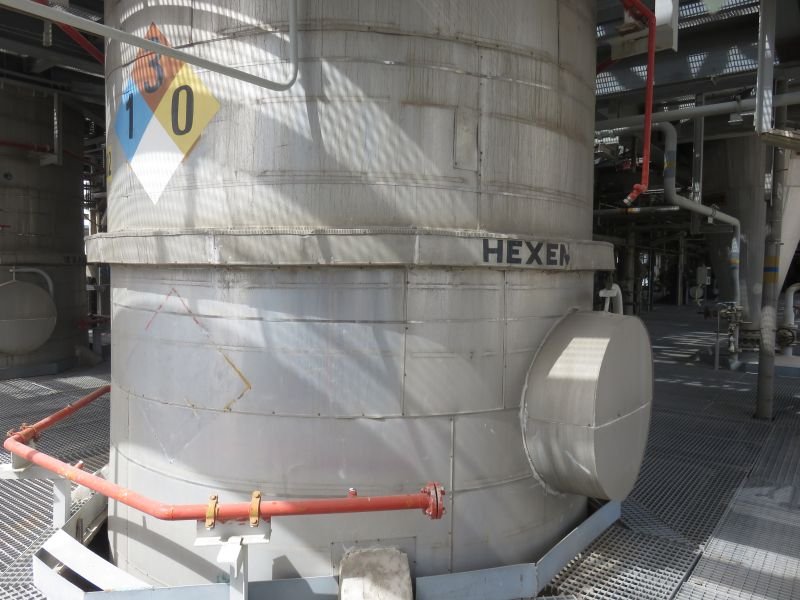
Look at the photo as a system, not just individual assets:
✔️ The storage vessel: inspected, monitored, NFPA-labeled
✔️ The pressure/temperature gauge: read on rounds
✔️ The fire water ring main: painted red, always there, rarely challenged
💡 Jardine & Tsang state in Maintenance, Replacement, and Reliability, Chapter 3:
“Up to 40% of failure modes in complex industrial systems fall into the hidden category… many existing maintenance programs provide for fewer than one-third of protective devices to receive attention at all, and then at inappropriate intervals.”
NFPA 25 Chapter 7 covers inspection, testing, and maintenance of fire water ring systems around process vessels, including the following:
✅ Visual inspection (§7.2): at least annually confirm no damage, corrosion, or obstruction
✅ Flow testing (§7.3): typically annually verify the system can deliver required flow and pressure
✅ Flushing: required after installation and as needed based on inspection findings to remove sediment and debris
✅ Internal inspection: performed when there are signs of obstruction, corrosion, or degraded performance
✅ Control valve operability: valves must be regularly exercised; a seized valve is a common cause of failure
⚠️ A walk-by glance at red pipes does not satisfy any of these requirements. A system that looks intact but fails a flow test is worse than no system because it creates false confidence.
Who owns firewater ring maintenance at your facility, and when was your last documented flow test with results on record?